Cookies help us deliver our services. By using our services, you agree to our use of cookies.
Domaine Jean-Luc Colombo
Domaine Jean-Luc Colombo is a major player in the Rhône Valley, famous for its powerful and elegant Cornas wines, as well as for its pioneering role in modernising and promoting this appellation.
🍇 General presentation
Creation: Jean-Luc Colombo, a passionate oenologist, founded his estate in the 1980s after acquiring his first plot in Cornas in 1986.
Location: Based in Cornas, northern Rhône Valley, on granite slopes overlooking the Rhône River.
Surface area: Around 15 hectares in Cornas and Saint-Péray, plus 15 hectares on the Côte Bleue near Marseille, his native region.
Philosophy: Environmentally respectful viticulture, no herbicides, careful soil work, and a constant search for purity and terroir expression.
🍷 Style and winemaking
Flagship cuvée: Cornas Les Ruchets, from old Syrah vines, first vintage in 1987, now a benchmark of the appellation.
Other cuvées: Terres Brûlées, La Louvée, as well as fresh and vibrant whites from Saint-Péray and Côtes-du-Rhône.
Approach:
Syrah in Cornas: intense, structured wines with great ageing potential.
Whites (Marsanne, Roussanne, Viognier): luminous, fresh wines marked by minerality.
Style: Straightforward, precise wines that reflect the harshness of granite and the light of the south.
🌍 Terroir
Cornas: Steep granite slopes, ideal for Syrah.
Saint-Péray: Limestone and clay-limestone soils, perfect for white grapes.
Côte Bleue (Provence): Maritime influence, producing more Mediterranean-style wines.
🏅 Particularities
Renowned oenologist: Jean-Luc Colombo is also a consultant, having founded in 1984 the Centre Œnologique des Côtes du Rhône.
International reputation: His wines are exported to more than 50 countries.
Family: Today shared with his wife Anne and their daughter Laure, representing the second generation.
Impact: Colombo is considered a pioneer of the Cornas renaissance, giving worldwide visibility to this once discreet appellation.
📌 In summary
Domaine Jean-Luc Colombo embodies both tradition and innovation: powerful, structured Cornas, vibrant whites, environmentally respectful viticulture, and a decisive influence in the international recognition of Cornas.
Sort by
Display per page
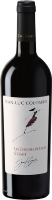
IGP Méditerranée Syrah Les Collines de Laure
This vibrant red from the Rhône embodies the sunny spirit of southern France. Crafted by Jean-Luc Colombo, a passionate winemaker known for his expressive and generous wines, it offers notes of ripe blackberry, cherry, and a hint of spice. Smooth and well-balanced, it’s perfect for sharing over a relaxed dinner or enjoying with grilled meats and Mediterranean dishes. Serve slightly cool, around 16–18°C, to let its fruity aromas shine. A bottle that captures both character and charm — easy to love, easy to drink, and sure to bring a touch of Provence warmth to any occasion.
11.00 € incl tax
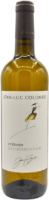
IGP Méditerranée Viognier "Les Collines de Laure"
This elegant white from the Rhône captures the sunny soul of southern France. Crafted by the passionate Jean-Luc Colombo, a renowned winemaker known for his expressive and modern style, it reveals aromas of ripe peach, apricot, and a hint of white flowers. Fresh yet smooth on the palate, it balances richness with a lively finish that invites another sip. Perfect for a relaxed evening or a seafood dinner, it brings a touch of Mediterranean warmth to your glass. Serve it chilled, ideally between 10 and 12°C, to enjoy its full aromatic charm and silky texture.
11.00 € incl tax